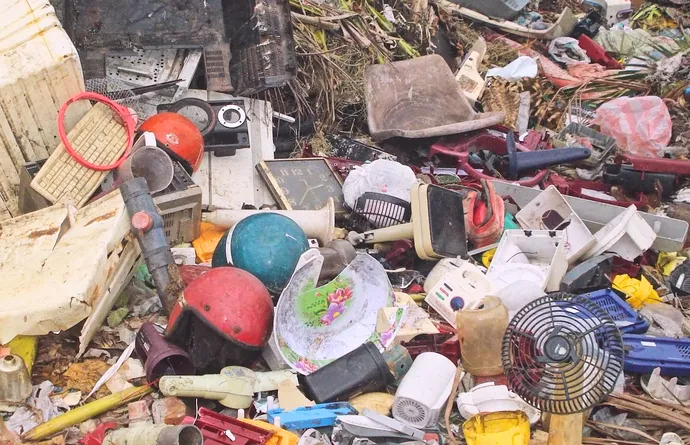
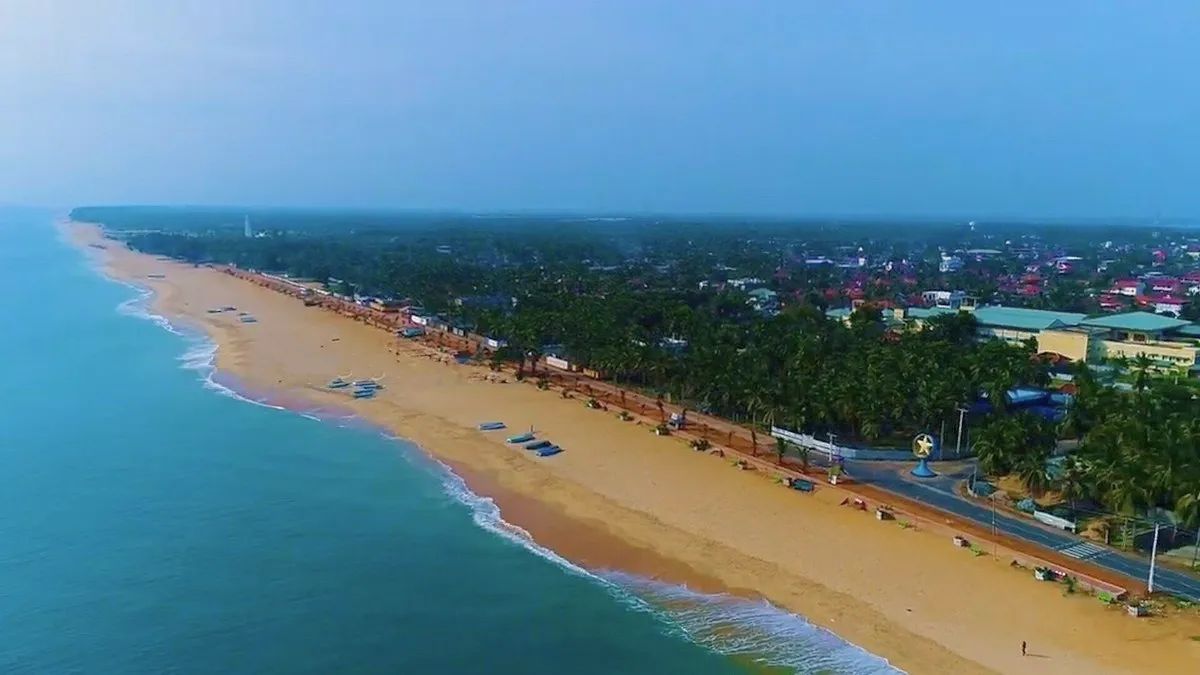
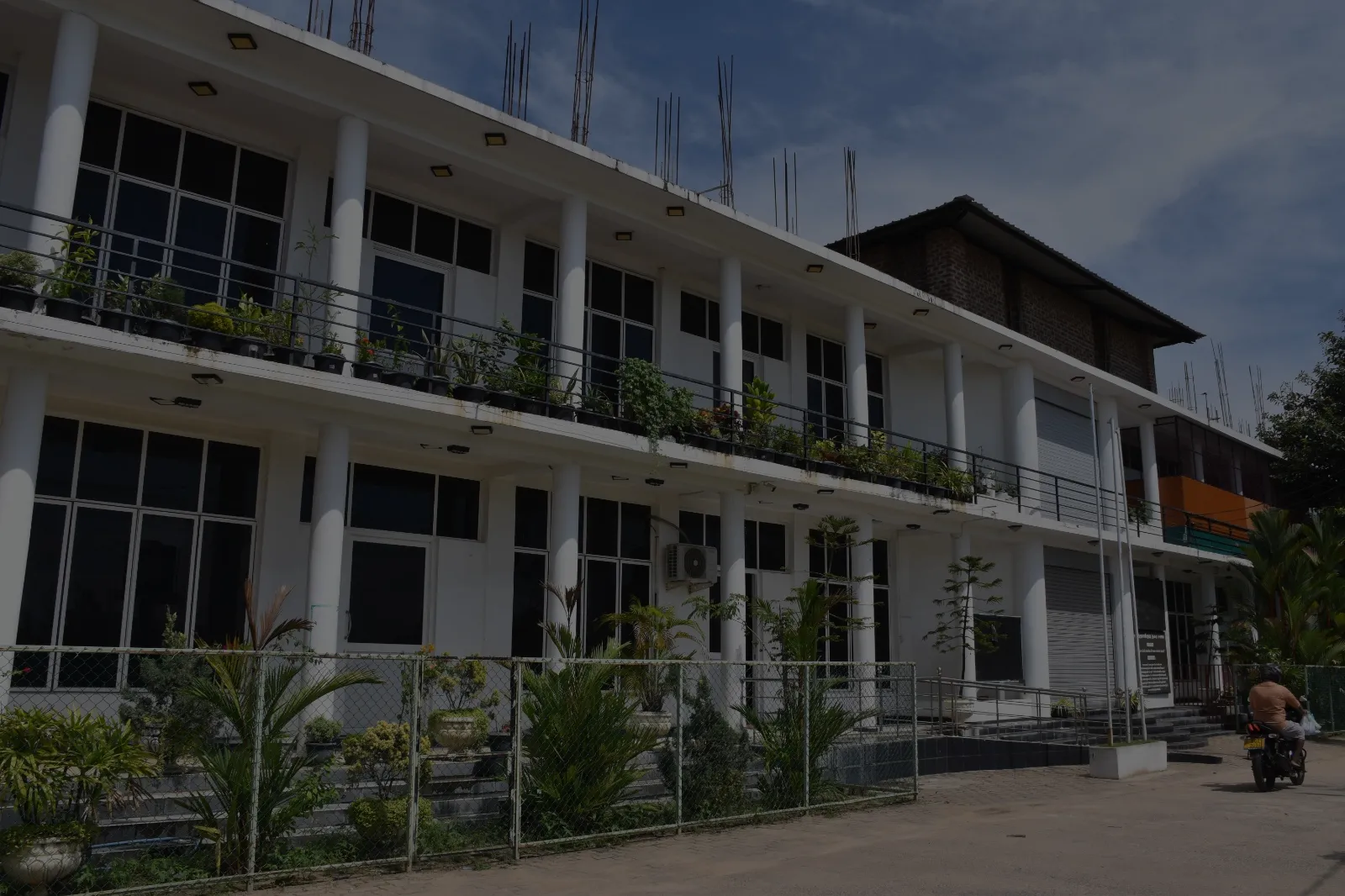
Green bins with segregated waste at the Kattankudy collection centre
Environment & public health

Solid Waste Management

From riverside dumping to the island's first Clean Sri Lanka recycling centre — the two-decade journey of Kattankudy's waste management system, its facilities, its circular products, and the zero-waste goal ahead.

Kattankudy’s waste management story is one of the most striking in the region: a town that once dumped its waste along its own riverbanks — and protested, block by block, until that changed — now runs a segregated collection system covering three daily waste streams, processes organic waste into compost, disinfectants and energy on its own land, and has been chosen as the site of the first Solid Waste Recycling Centre established under the national Clean Sri Lanka programme.

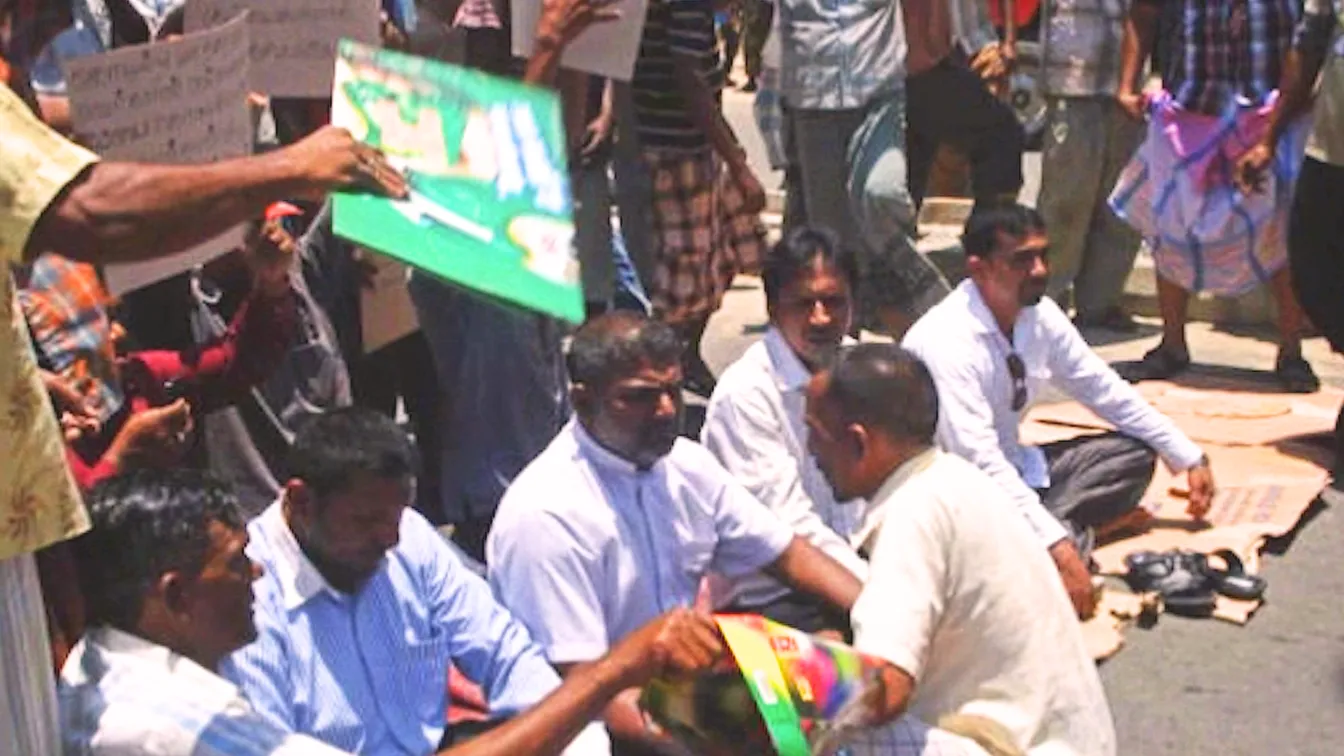
The crisis years were long. Before 2010, collected waste went to the riverbanks, damaging the area’s natural beauty and drawing continuous objections from the public. When the major flood of January 2011 submerged large parts of the town, there was still no proper place to dispose of waste — and no drainage system to let water flow away freely. In 2013, waste was carried by tipper vehicles all the way to Addalaichenai, a system whose high cost made it unsustainable. Temporary dumping on private land at Karbala faced strong community opposition; the matter was discussed with the Eastern Province Chief Minister, but no lasting solution was achieved — until the Chairman and the community staged protests to show how urgent the crisis had become.

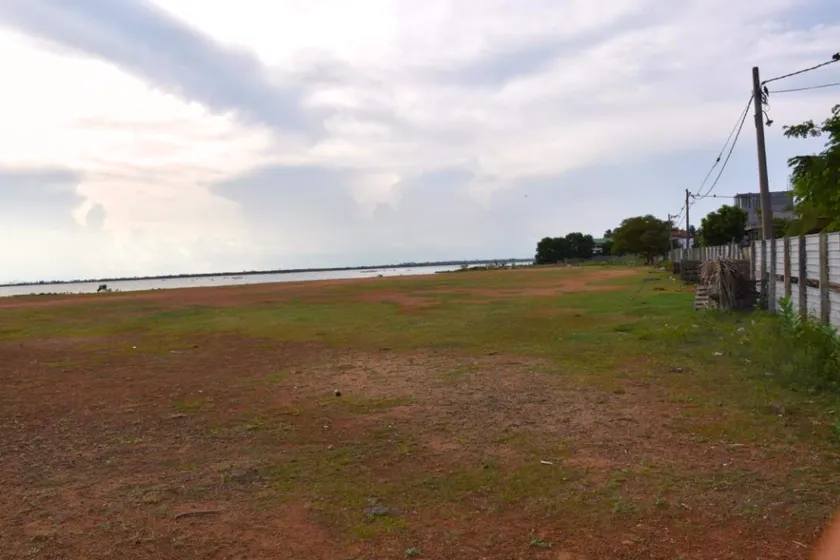
The turning point came in 2014, when — with the community’s support — the Urban Council purchased 110 perches of dedicated land for waste management. From that same year, residents were taught to separate waste into biodegradable and non-biodegradable categories, and the Green Solid Waste – Zero City Initiative set the town on a path towards a zero-waste city. The transformation reached back to where the crisis had begun: by 2020, the riverside ground once used as a dumping site was filled with gravel and turned into a playground for students and the general public.

The system running today is a complete loop. Three streams are collected every day — 30,000 kg of biodegradable waste, 20,000 kg of non-biodegradable waste and 15,000 kg of dry & non-biodegradable waste — weighed on arrival and managed by a separate office system. Organic waste is processed on site: the Japanese-made Kawashima machine handles the 30,000 kg of daily biodegradable waste with capacity for 50,000 kg a day, earthworms turn further organic material into vermi compost, and a mini bio-gas plant converts waste into energy piped directly to a nearby school for children with special needs. A Night Soil Treatment Plant — the first of its kind in Sri Lanka, built at a cost of Rs. 50 million with Japanese engineers staying for months to install it — treats septic-tank waste without odour, and its by-product feeds the Council’s parks and the beach-cleaning project. Fruit waste, molasses and sugar mixed with water yield disinfectants produced using natural bacteria, while the Beach Tech machine cleans the shoreline where manual labour could not keep up.

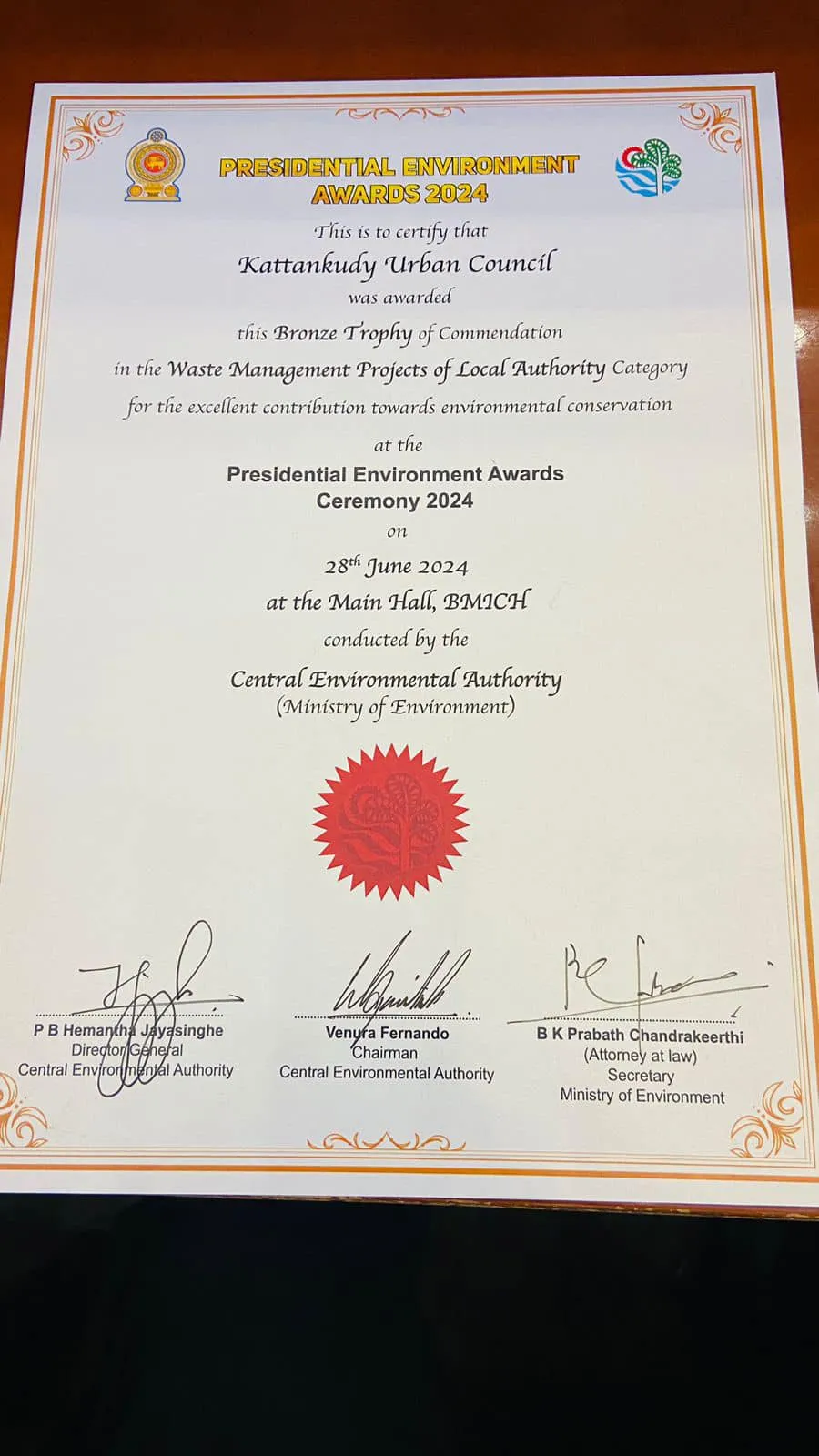
The loop also pays for itself. Through the fertiliser business the Council earns around Rs. 200,000 a day and Rs. 1,000,000 a week — an overall monthly income of Rs. 4–5 million. Council delegations from across the island, including Oddamavadi and Nanattan (Mannar), have visited the solid waste management centre to study the model, and the work has been recognised with the Presidential Environment Award and the Green Energy Champion title in 2019 and a Bronze Presidential Environment Award in 2024.

The final piece is the Material Recovery Facility. Under the national Clean Sri Lanka programme, Kattankudy was selected for the island’s first Solid Waste Recycling Centre with an allocation of Rs. 50.8 million, and work commenced on 23 September 2025. Nationally, 54 potential sites have been identified — six per province — with feasibility studies under way at 25 of them, and the programme targets a 30% reduction in waste sent to landfill over three years through reduce, reuse and recycle. For Kattankudy, the centre is designed to cut landfill reliance to near zero — the definitive solution to a waste crisis two decades in the making.

Waste management here is run by a dedicated Solid Waste Management Division of the Urban Council. This page follows the full journey — the crisis years before 2014, the community’s response, the facilities built since, the circular products they yield, and the recycling centre that is set to cut landfill reliance to near zero.

First in Sri Lanka

Under the national Clean Sri Lanka programme, work on the island's first Solid Waste Recycling Centre commenced in Kattankudy on 23 September 2025, with an allocation of Rs. 50.8 million — designed to cut the waste sent to landfill and process recyclables locally.

National landfill-reduction target
30,000 kg
Biodegradable waste collected daily
Daily collection figure; no reference date stated.
20,000 kg
Non-biodegradable waste collected daily
Daily collection figure; no reference date stated.
15,000 kg
Dry & non-biodegradable waste collected daily
Daily collection figure; no reference date stated.
Rs. 50.8 M
Recycling centre allocation
Under the Clean Sri Lanka programme; work commenced 23 September 2025.
23 Sep 2025
Recycling centre work commenced
The first Solid Waste Recycling Centre established under Clean Sri Lanka.
1st
In the country
Kattankudy's centre is the first of the national Clean Sri Lanka recycling-centre network.
30%
National landfill-reduction target
Clean Sri Lanka goal over three years, through reduce, reuse and recycle.
110 perches
Land purchased for waste management (2014)
Purchased for 2.8 million.
Rs. 4–5 M
Monthly income from compost sales
Rs. 200,000 a day and Rs. 1,000,000 a week through the fertiliser business.

Daily collection

Three streams, collected every day

Biodegradable waste30,000 kg/day

Processed on site — composted, converted to biogas, or used as input for natural-bacteria disinfectants.

Non-biodegradable waste20,000 kg/day

Sorted for recovery; recyclables are kept out of landfill.

Dry & non-biodegradable waste15,000 kg/day

The non-processable residual share is managed through a partner council.

The process

From doorstep to new life

  1. Separation at source

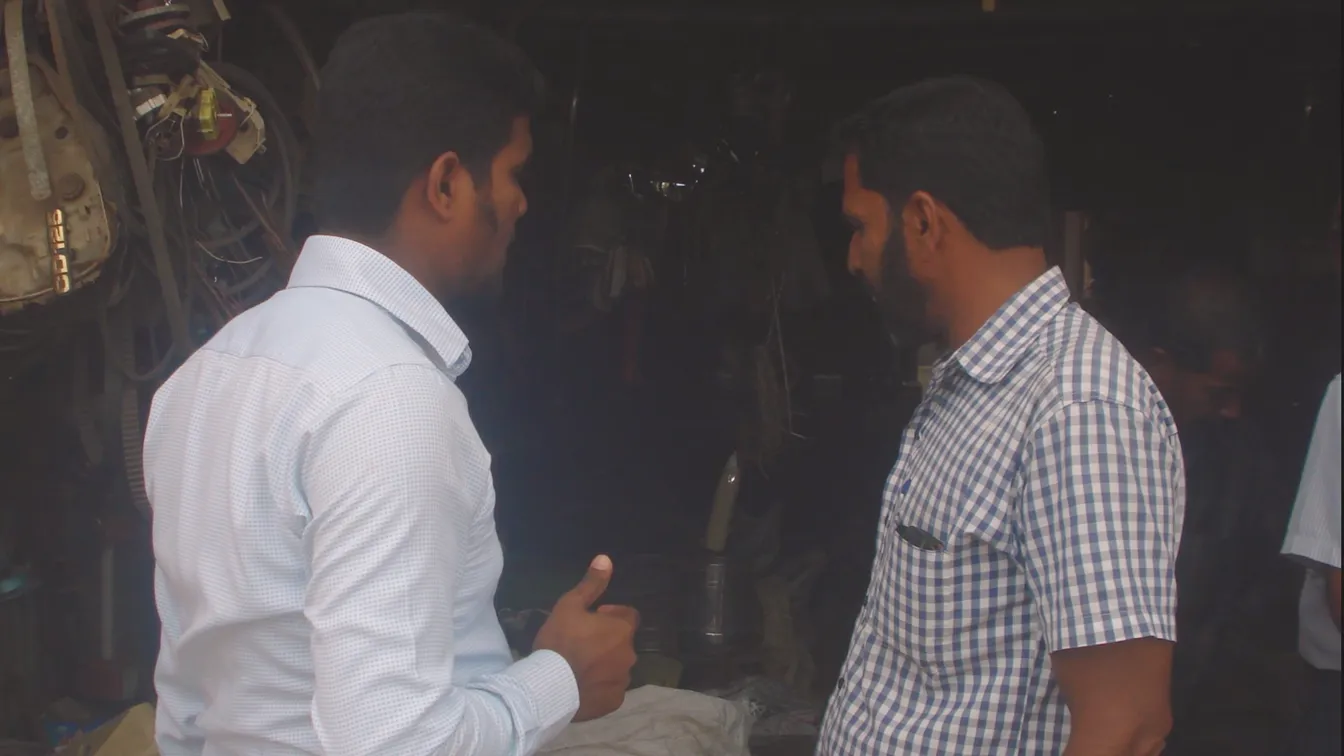
    Households and businesses separate waste into biodegradable and non-biodegradable categories — a practice built through years of public awareness campaigns since 2014.

    Public awareness campaign teaching separation at source
  2. Daily segregated collection

    Three streams are collected daily — 30,000 kg biodegradable, 20,000 kg non-biodegradable and 15,000 kg dry & non-biodegradable waste. Every load collected from households is weighed on arrival, and a dedicated office manages day-to-day operations.

    Collection worker with a cart on daily rounds
  3. Organic processing

    The Kawashima machine processes organic waste efficiently, earthworms turn the rest into vermi compost, and the Night Soil Treatment Plant treats fecal sludge from septic tanks to prevent pollution.

    The Kawashima machine processing organic waste
  4. Waste to energy & products

    A mini bio-gas plant converts waste into energy, while organic materials — fruit waste, molasses and sugar mixed with water — yield natural-bacteria disinfectants.

    The mini bio-gas plant converting waste into energy
  5. Coastline care

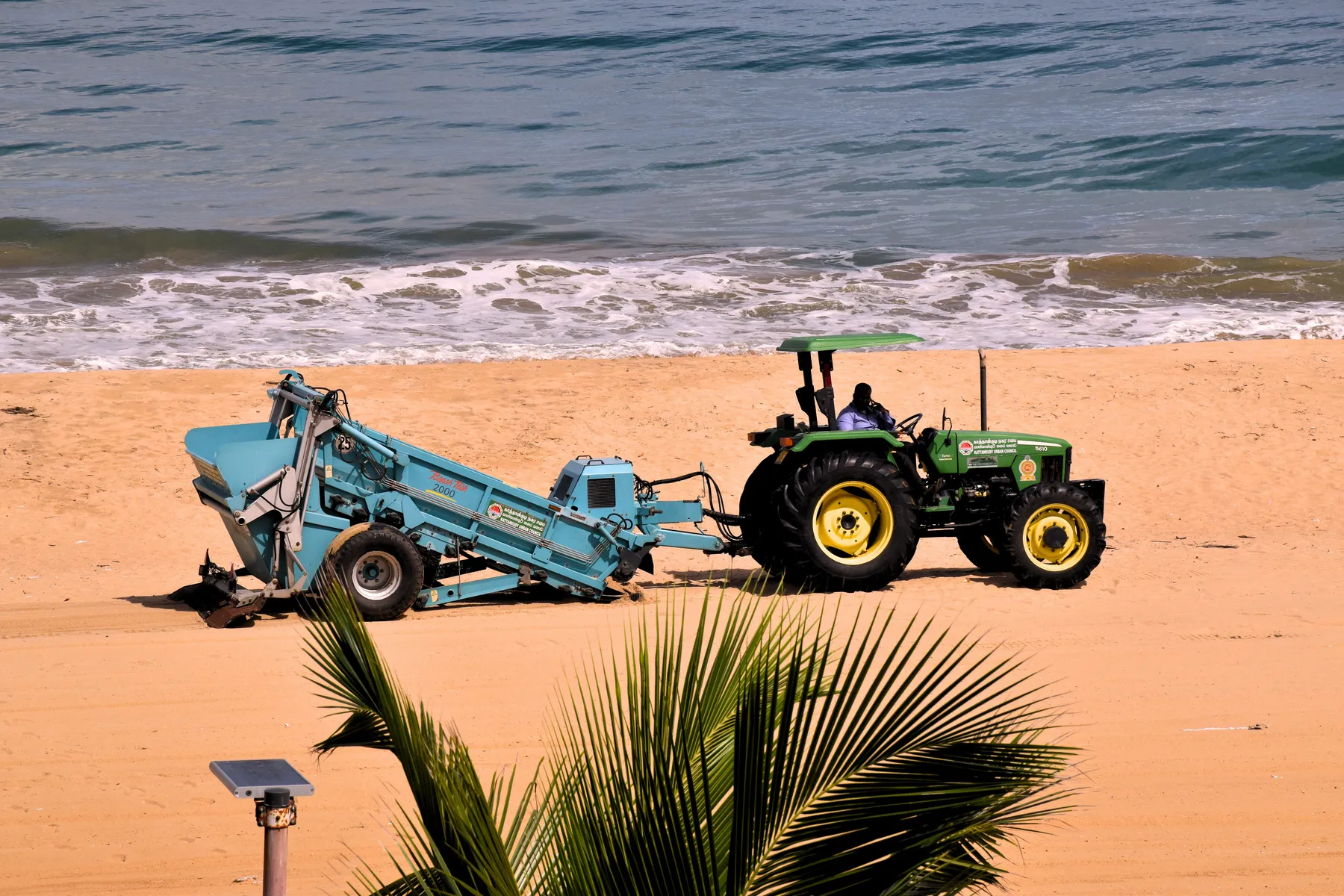
    The Beach Tech machine cleans the beach where manual labour could not keep up — keeping the coastline pristine and ready for visitors.

    The Beach Tech machine cleaning the shoreline
  6. Residuals & the road ahead

    The remaining non-processable share is managed through partnership, and the new recycling centre is set to cut landfill reliance to near zero — the "once and for all" solution to the town's waste crisis.

    The Material Recovery Facility project — the road ahead

Timeline

How it developed

  1. Before 2010

    Riverside dumping

    Waste was dumped along the riverbanks, damaging the natural beauty of the area. The authorities continuously faced objections from the public.

  2. 2011

    The major flood

    During the major flood that hit the Batticaloa region in January 2011, many parts of the town were submerged and there was no proper place available to dispose of waste. Proper drainage systems had not been constructed to allow water to flow freely.

  3. 2013

    Transport to Addalaichenai

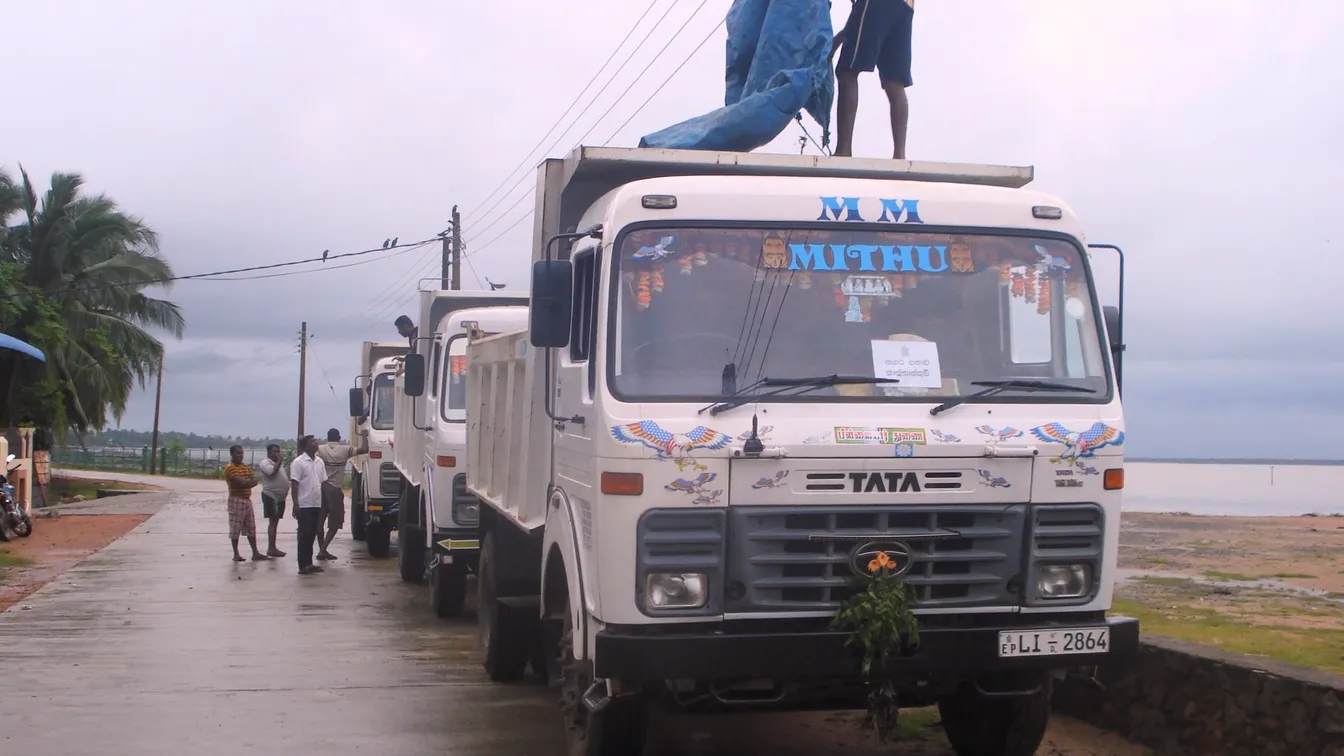
    Waste was transported by tipper vehicles to Addalaichenai, but the high cost made the system unsustainable.

  4. 2013 – 2014

    Karbala site, talks and protest

    Temporary disposal on private land at Karbala faced strong community opposition. The matter was discussed with the Eastern Province Chief Minister, but no lasting solution was achieved. The Chairman and the community staged protests to highlight the urgency of the waste crisis.

  5. 2014

    Land acquisition — the turning point

    With community support, a dedicated land of 110 perches was purchased for waste management.

  6. 2014 onward

    Awareness & segregation

    Residents were educated to separate waste into biodegradable and non-biodegradable categories, and the Green Solid Waste – Zero City Initiative was launched — a sustainable strategy aimed at achieving a Zero Waste City.

  7. 2020

    Dump site to playground

    The riverside dumping ground was filled with gravel and transformed into a playground for students and the general public.

  8. 23 Sep 2025

    Recycling centre work begins

    Work commenced on the first Solid Waste Recycling Centre to be established under the Clean Sri Lanka programme — in Kattankudy, with an allocation of Rs. 50.8 million. Nationally, 54 potential sites have been identified (six per province) with feasibility studies at 25, targeting a 30% cut in landfill waste over three years through reduce, reuse and recycle.

  9. 2025 – 2026

    Recognition & momentum

    Council delegations from across the island — including Oddamavadi and Nanattan (Mannar) — have visited Kattankudy to study the solid waste management centre, while the collection service keeps expanding under the Clean Sri Lanka drive.

  10. Today

    A zero-waste city in progress

    Segregated collection, on-site processing, circular products and the new recycling centre together form a system designed to end the waste crisis "once and for all" and reduce landfill reliance to near zero.
Facilities

The infrastructure behind the turnaround

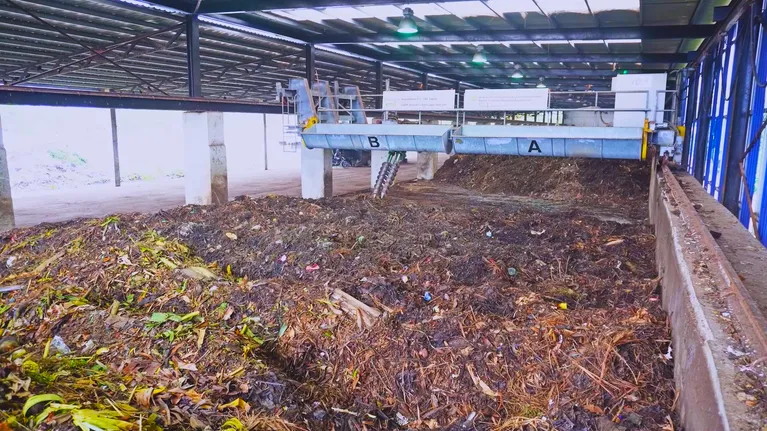
The Kawashima organic waste processing machine

Kawashima machine

The machine at the centre of organic processing. Installed after the council's former compost yard ran out of space, the Japanese-made Kawashima machine digests the biodegradable stream — 30,000 kg collected every day, with capacity for around 50,000 kg — so the council can manage waste efficiently on its own dedicated land instead of exporting the problem. Together with the composting lines, it is one of the signatures of the Kattankudy system, studied by visiting councils from across the island.

  • Processes the 30,000 kg/day biodegradable stream
  • Capacity — around 50,000 kg/day
  • On-site, on dedicated council land
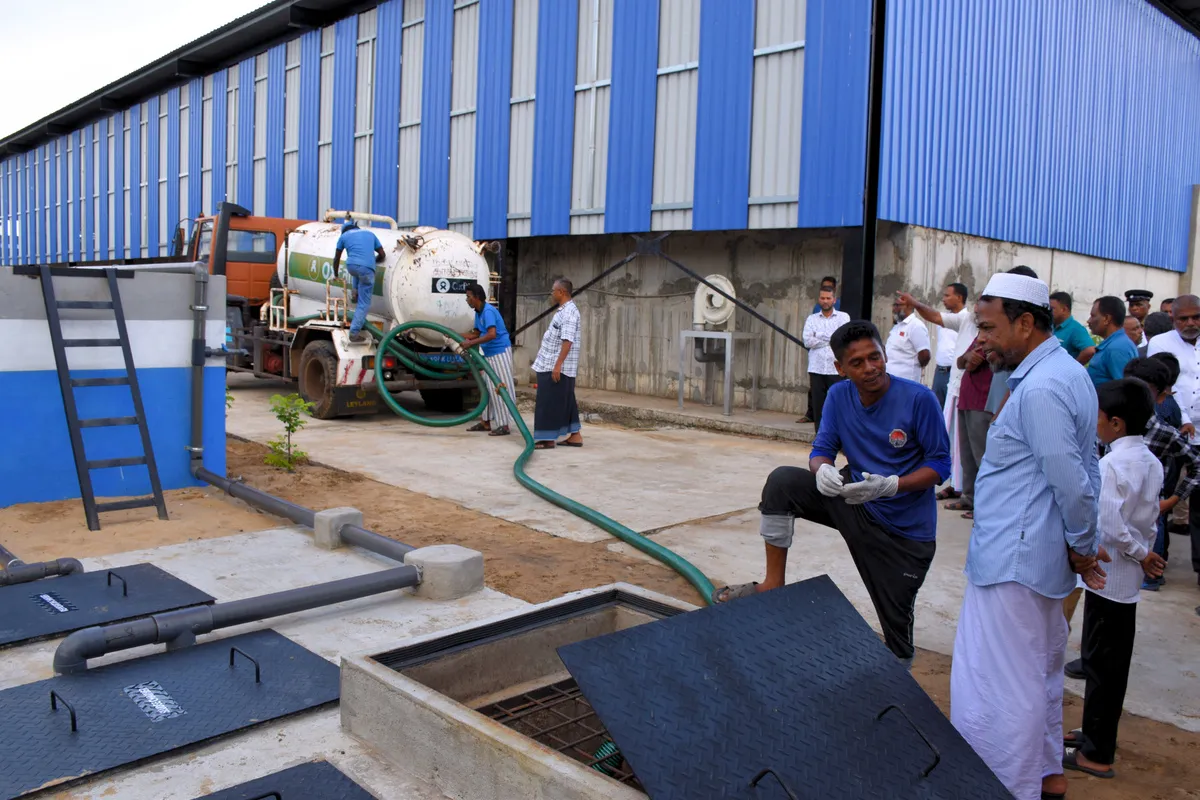
The Night Soil Treatment Plant

Night Soil Treatment Plant

Treats the fecal sludge collected from septic tanks, preventing environmental pollution — the first plant of its kind in Sri Lanka, built at a cost of 50 million rupees by the Ministry of Local Government and Provincial Councils, with engineers from Japan staying on site for months to set it up. The plant keeps its historical name, but its function is thoroughly modern: what once threatened the town's surroundings is treated on site — on the land purchased in 2014 — running successfully with no odour, its byproduct used as fertiliser for the council's parks and in the beach cleaning project.

  • Input — fecal sludge from septic tanks
  • 1st of its kind in Sri Lanka, odour-free
  • Rs. 50 million — Ministry of Local Government & Provincial Councils
  • Byproduct — fertiliser for the council's parks
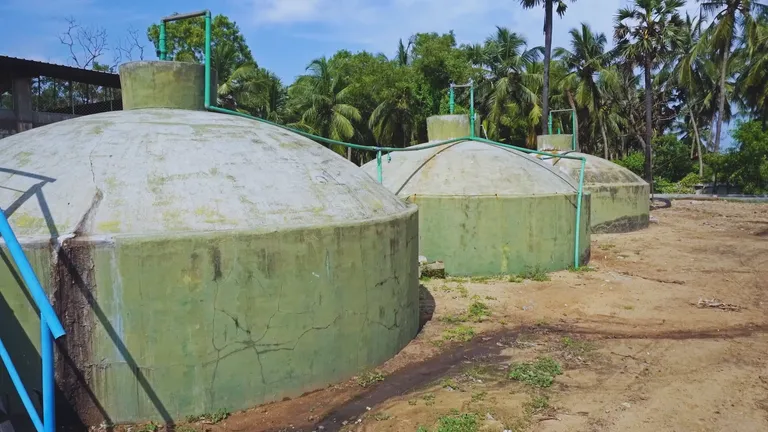
The mini-scale bio gas plant

Bio Gas Plant

A mini-scale bio-gas plant converts waste into energy, closing the loop between collection and useful output — the gas is piped directly to the nearby school for children with special needs. Together with vermi compost and natural-bacteria disinfectants, it gives the town's organic waste three second lives — fertiliser, disinfectant and energy — instead of a landfill.

  • Mini-scale, on-site generation
  • Output — energy from waste
  • Piped to the nearby school for children with special needs
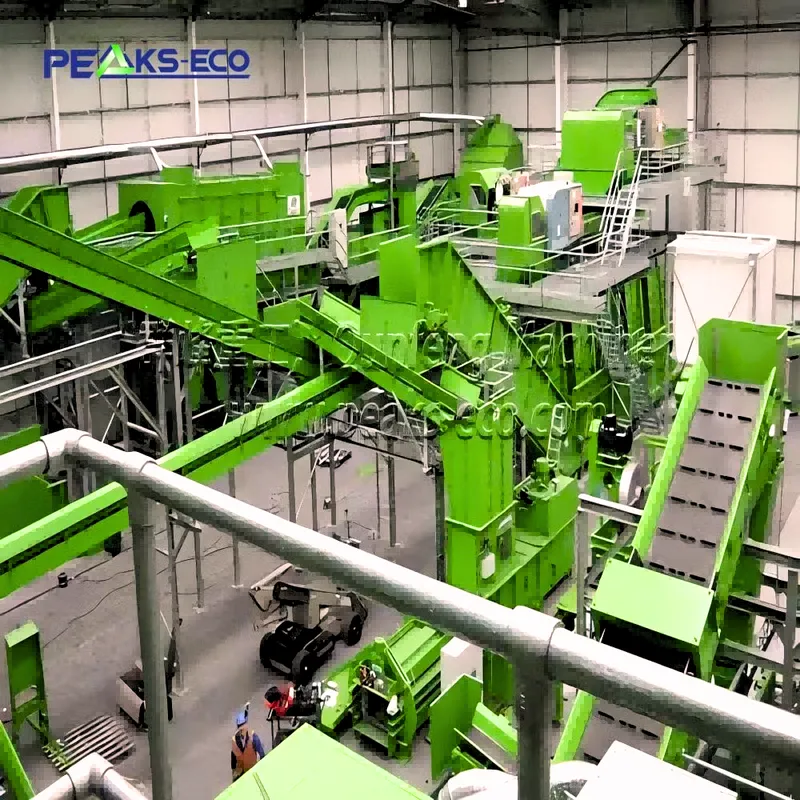
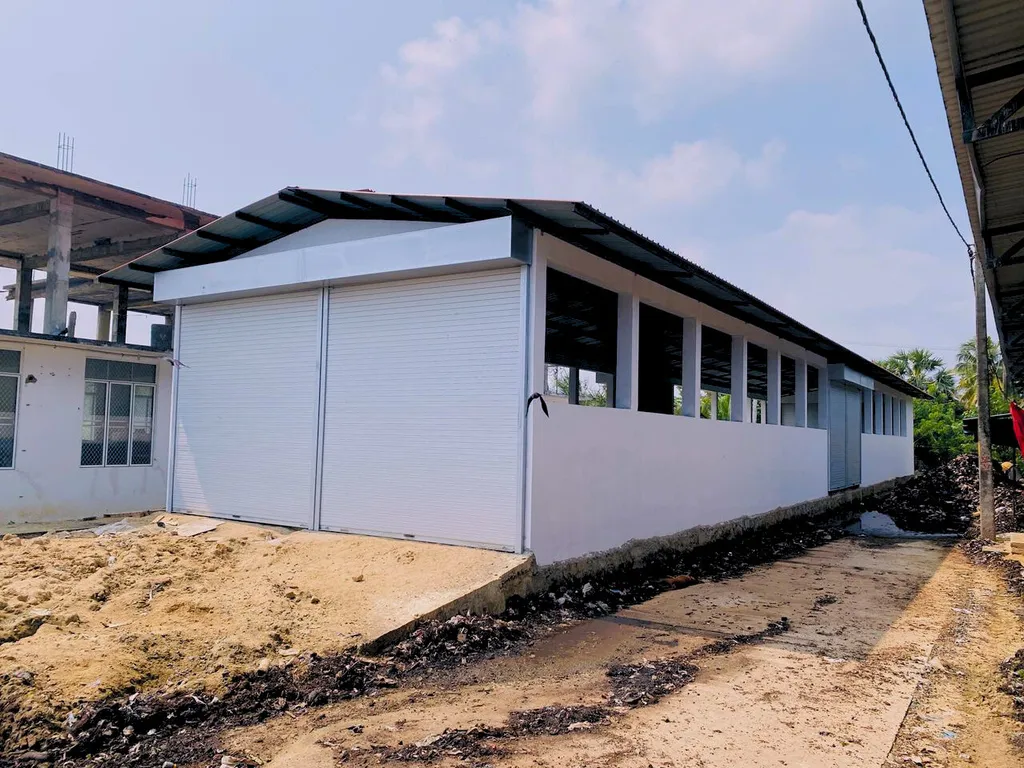
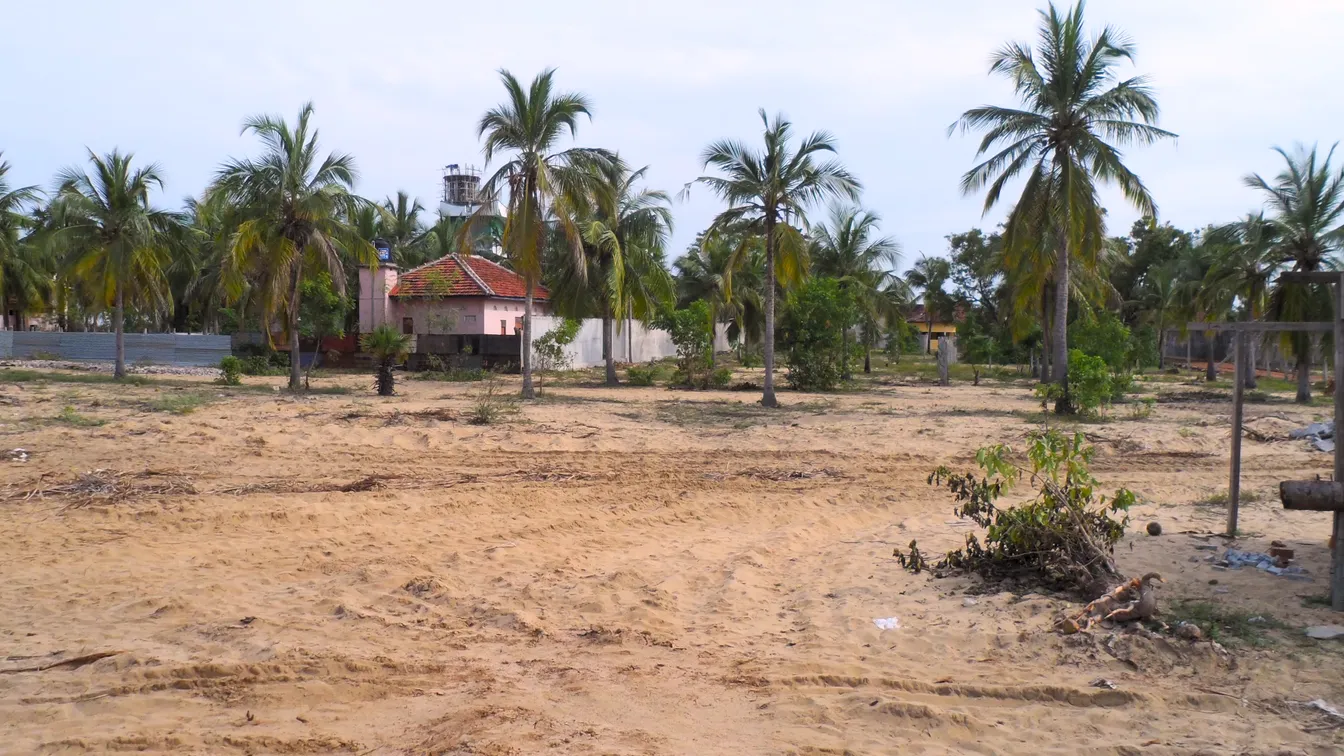
The Material Recovery Facility project site

Material Recovery Facility (MRF)

The flagship now taking shape. On 23 September 2025, work commenced on the first Solid Waste Recycling Centre to be established under the national Clean Sri Lanka programme — a Material Recovery Facility allocated Rs. 50.8 million, designed to process recyclables locally and cut the waste sent to landfill. Nationally, 54 potential sites have been identified — six per province, with feasibility studies at 25 — targeting a 30% reduction in landfill waste over three years through reduce, reuse and recycle. For Kattankudy it is designed to be the "once and for all" answer to the waste crisis.

  • Rs. 50.8 million allocation
  • 1st in Sri Lanka under Clean Sri Lanka
  • Work commenced 23 Sep 2025
  • 30% landfill-reduction target, three years

Circular products

Waste transformed into useful products

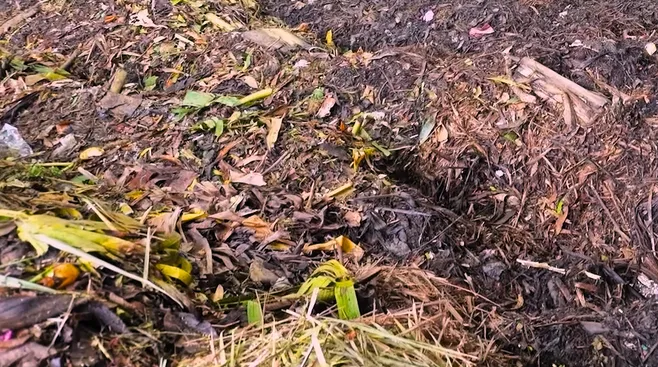
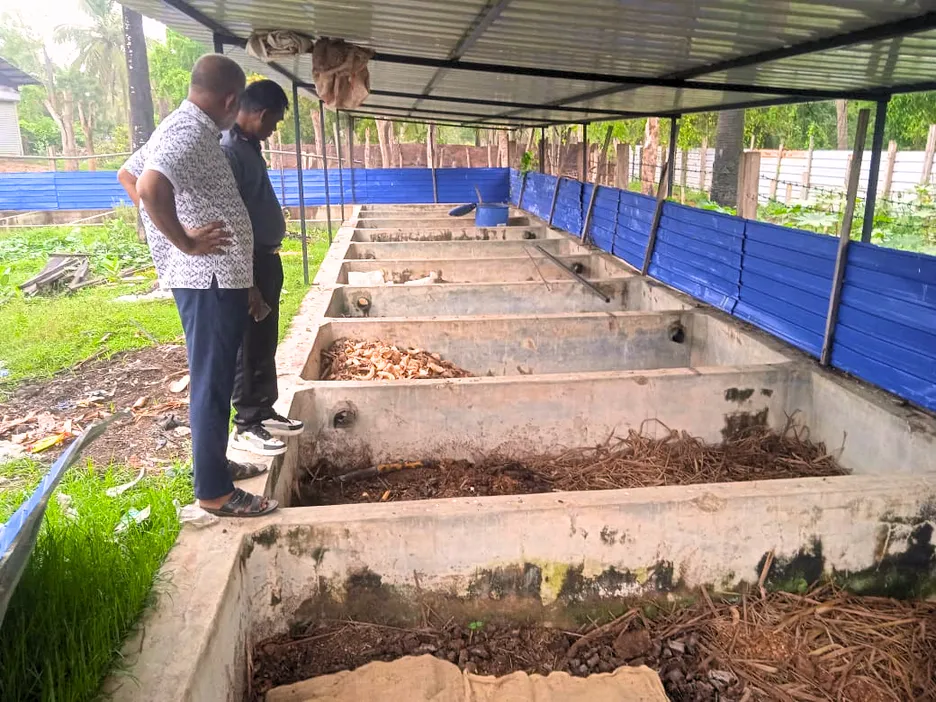
Vermi compost produced from organic waste

Organic wasteVermi compost fertiliser

Vermi compost

Organic waste returns to the soil. Earthworms break down the biodegradable stream into vermi compost — a natural fertiliser produced continuously on site. One of the signature products of the Kattankudy system, it converts the town's largest daily stream into a resource that goes back into the earth instead of a landfill.

  • Signature product of the system
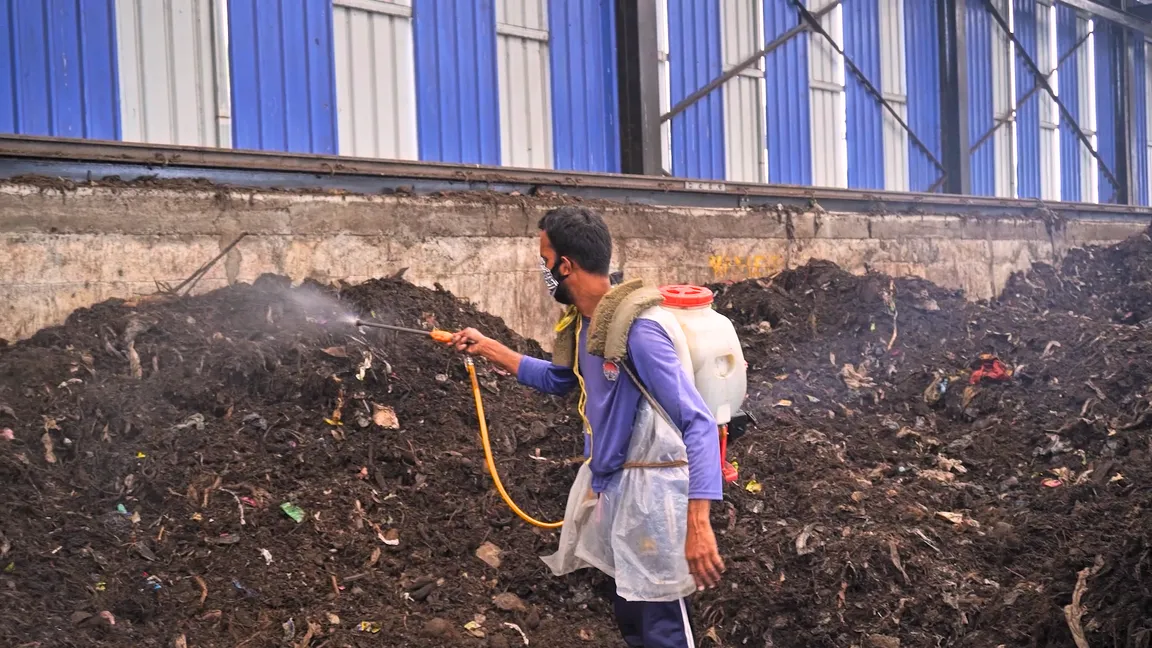
Disinfectant production using natural bacteria

Fruit waste + molasses + sugarNatural disinfectants

Natural-bacteria disinfectants

Cleaning agents produced on site from organic materials — fruit waste, molasses and sugar mixed with water yield disinfectants made with natural bacteria, cultivated over 15 days before use to speed up decomposition, eliminate foul odours and control flies. Another loop closed between the town's waste and its daily needs.

  • Produced on site
  • 15-day natural cultivation
The Beach Tech machine cleaning the beach

Shoreline litterA pristine coastline

Beach Tech

Where waste meets the sea, machines take over. The Beach Tech machine cleans the shoreline at a scale manual labour could not sustain — keeping the coastline pristine and ready for the town's growing tourism.

  • Beyond manual labour

Residual waste & partnership

Ongoing disposal logistics

  • Residual waste — the "non-processable" portion — is managed through continued partnership with the Eravur Patru Pradeshiya Sabha (Koduwamadu dumping area)
  • The Urban Council reports its payments for external dumping transparently

Recognition

  • First Solid Waste Recycling Centre established under the Clean Sri Lanka programme — launched in Kattankudy
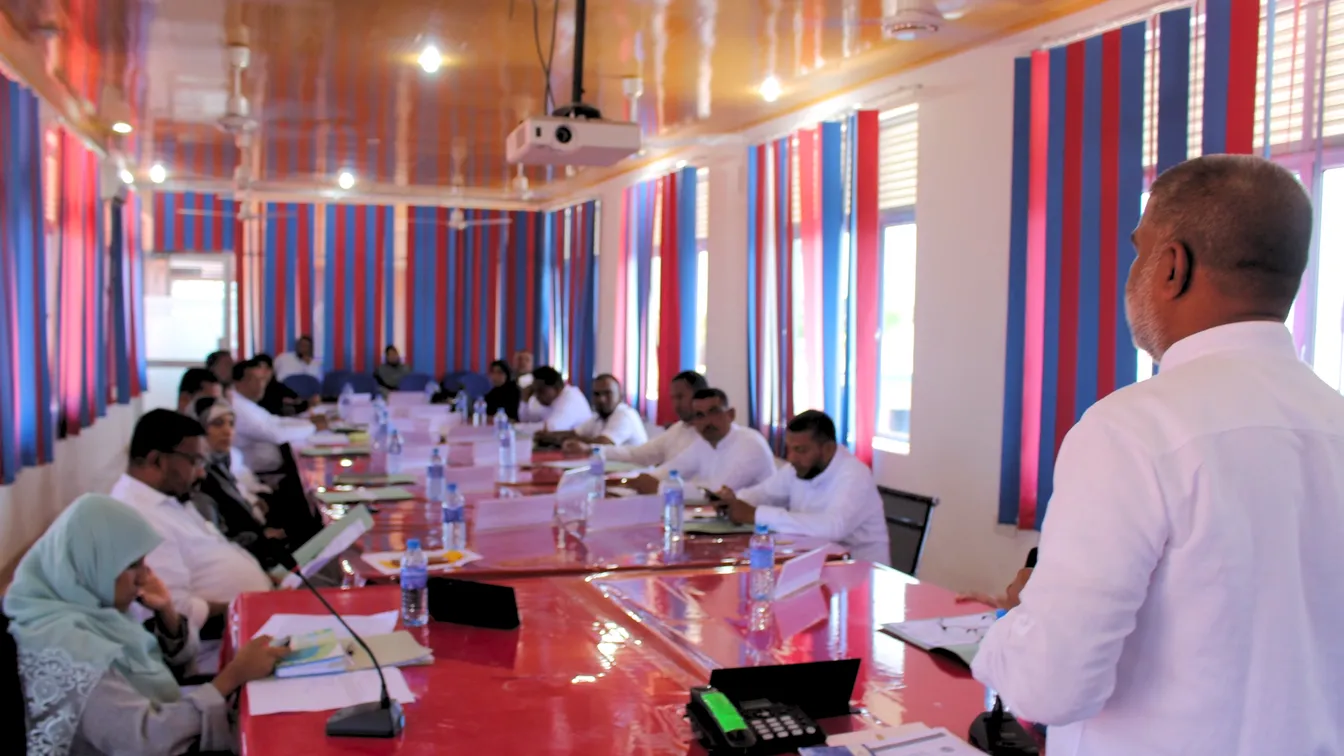
  • Council delegations from Oddamavadi and Nanattan (Mannar) have visited the solid waste management centre to study the model
  • Collection keeps expanding under the national Clean Sri Lanka drive

Contact the Council

Waste services & general enquiries

  • Hotline — 065 20 40400
  • Office — 065 22 45925 / 065 22 47893
  • Email — kattankudy.uc@gmail.com
  • Address — Advocate M.C. Abdul Cadher Road, Kattankudy-03, Batticaloa

Questions & answers

Why does Kattankudy collect waste in separate streams?

Since 2014, residents have been educated to separate waste into biodegradable and non-biodegradable categories. Separation at source is the foundation of the Green Solid Waste – Zero City Initiative — it lets organic waste be composted or turned into energy instead of rotting in a landfill, and keeps recyclables recoverable.

What happens to the town's organic waste?

It is processed on site. The Kawashima machine handles organic waste, earthworms convert further organic material into vermi compost fertiliser, and a mini bio-gas plant turns waste into energy. Fruit waste, molasses and sugar mixed with water also yield disinfectants produced using natural bacteria.

What is the new recycling centre?

A Material Recovery Facility established under the national Clean Sri Lanka programme with an allocation of Rs. 50.8 million. Work commenced on 23 September 2025, and it is the first Solid Waste Recycling Centre set up under the programme in the country. Nationally the programme targets a 30% reduction in waste sent to landfill over three years through reduce, reuse and recycle.

Where does the waste that cannot be processed go?

Residual waste — the non-processable portion — is managed through a continued partnership with the Eravur Patru Pradeshiya Sabha, using the Koduwamadu dumping area. The Urban Council reports its payments for external dumping transparently.

How did the town reach this point?

Through a two-decade journey: riverside dumping before 2010, the 2011 flood that left the town without any proper disposal site, costly transport to Addalaichenai in 2013, opposition to temporary dumping at Karbala, and public protests — until, with community support, the Council purchased 110 perches of dedicated land in 2014 and began building the system the town runs today.

How is the beach kept clean?

The Beach Tech machine cleans the shoreline where manual labour could not keep up — part of keeping the coastline pristine and ready for the town's growing tourism.

Does the system earn income for the council?

Yes. Through the fertiliser business the council earns 200,000 rupees a day and 1,000,000 rupees a week — an overall monthly income of 4 to 5 million rupees.